
How to Evaluate Money Market Funds and Instruments for Corporate Cash Management
Companies sometimes receive customer payments weeks or months before those funds are needed for supplier invoices, payroll, or other commitments. For businesses exploring DBS money market fund options, distinguishing pooled funds from individual money market instruments is an important starting point. DBS provides access to short-term instruments such as Treasury bills, certificates of deposit, and commercial paper.
Deciding how to invest surplus cash involves more than comparing quoted yields. Finance teams need to assess when funds must be available, the risks of each instrument, and any associated costs.
A consistent evaluation process can help corporate treasurers match investment choices to cash flow forecasts, internal policies, and short-term liquidity requirements.
Quick Answer: How to Evaluate Money Market Investments
Assess short-term investments against scheduled payments rather than quoted yields alone. A six-stage review helps finance teams document decisions across currencies, investment types, and maturity dates.
- Quantify surplus: Calculate cash after operating commitments.
- Set the time frame: Identify when funds must be available.
- Compare structures: Weigh pooled funds against individual securities.
- Review risks: Assess credit quality, liquidity, and price sensitivity.
- Measure net returns: Compare yields after costs.
- Confirm execution: Check eligibility, settlement, and internal approvals.
What Businesses Need Before Evaluating Money Market Investments
Before assessing investments, assemble an up-to-date cash position and forecast approved by the finance team. DBS’s corporate cash management solutions can support managing balances, collections, and liquidity.
Prepare the following:
- Cash flow forecast: Expected receipts and expenses, including payroll and tax.
- Payment calendar: Dates when cash must be accessible.
- Operating reserve: Cash retained for contingencies and routine commitments.
- Investment policy: Permitted instruments, concentration limits, and risk appetite.
- Authorisation details: Investment amount, decision-maker, and approved dealing arrangements.
Revisit these inputs whenever forecasts or payment schedules change.
Step-by-Step: How to Evaluate Money Market Funds and Instruments
Step 1: Calculate How Much Surplus Cash Is Available
Compare bank balances with forecast expenses, then deduct the company’s operating reserve. Assess each currency separately, particularly where suppliers are paid overseas. If balances are dispersed across group entities, DBS’s cash concentration solutions can support consolidated liquidity management.
The result is an investable amount with a documented calculation. For example, a company holding S350,000 for commitments could initially assess S$150,000 for investment, under this scenario.
Step 2: Match Investment Tenors to Corporate Cash Flow Requirements
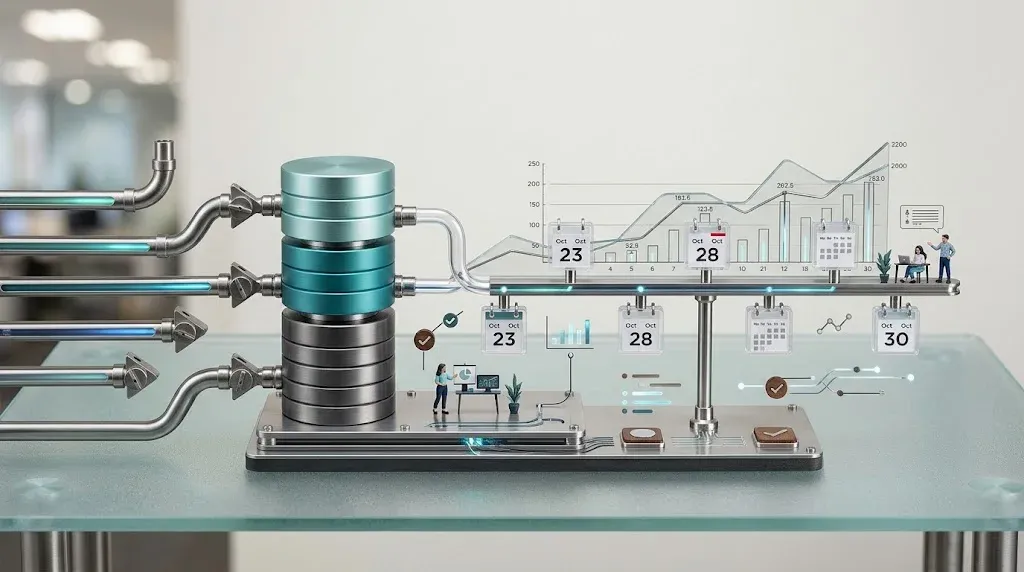
Map major payment dates and determine the latest acceptable maturity for each allocation. The Monetary Authority of Singapore (MAS) lists six-month and one-year tenors for Singapore Government Securities (SGS) Treasury bills.
A business paying a supplier in five months should favour an earlier maturity or retain accessible cash. This avoids relying on an early sale, when the market price of an instrument may differ from the amount expected at maturity.
Step 3: Compare Money Market Funds With Short-Term Debt Instruments
Compare pooled portfolios with individually held short-term securities. The Financial Stability Board (FSB) states, “Money market funds (MMFs) are important providers of short-term financing for financial institutions, corporations, and governments.”

| Criteria | Money market fund | Individual instrument |
| Structure | Pooled portfolio | Direct security holding |
| Cash access | Fund redemption terms | Maturity or secondary sale |
| Costs | Fund expenses | Dealing or custody charges |
| Main exposure | Portfolio holdings | Specific issuer and security |
Compare prospectuses and security terms. DBS’s linked offering concerns individual money market instruments.
Step 4: Assess Creditworthiness, Liquidity, and Investment Risks
Check issuer quality, available credit ratings, and liquidity restrictions. As MAS states, “SGS T-bills are fully backed by the Singapore Government.” Commercial paper, by contrast, depends on the issuing company’s repayment capacity.
For pooled funds, inspect portfolio composition, redemption deadlines, and any applicable liquidity fees. Record potential outcomes under stressed markets, including price changes and delayed access to proceeds. Apply counterparty concentration limits when multiple securities create exposure to the same issuer. This produces a risk assessment suitable for internal review.

Step 5: Compare Expected Yields and Investment Costs
Use consistent currencies, holding periods, and yield conventions when reviewing quotations. Deduct fund management expenses or relevant dealing and custody charges, then consider applicable tax treatment.
As an illustration, S$100,000 earning a hypothetical 3% annual simple yield over 90 days generates approximately S$740 before costs on a 365-day basis. Actual proceeds depend on the instrument’s pricing method and terms. Document each assumption so decision-makers can compare estimated net returns on equivalent terms.
Step 6: Verify Investment Suitability and Execution Requirements
Confirm transaction size, settlement method, custody arrangements, and authorised signatories before obtaining approval. MAS specifies S$1,000 denominations for institutional SGS Treasury bill applications, with multiples of S$1,000 accepted.
DBS’s short-term investment and rates solutions provide a starting point for identifying available market services. Ask the relevant team to confirm current dealing terms, pricing, and product suitability. Record the selected instrument and final approval before execution.

Common Issues When Evaluating Money Market Investments
Issue: Investment maturity extends beyond the next cash requirement. Adjust the maturity or retain a separate liquid balance to cover the scheduled payment.
Issue: Quoted yields use different conventions. Recalculate each estimate over the same holding period, currency, and cost basis before comparing returns.
Issue: Dealing or approval arrangements remain unclear. Confirm settlement instructions, custody responsibilities, authorised signatories, and current terms with the provider before placing an order. Document the resolution for future treasury reviews.
Frequently Asked Questions
What is the difference between a money market fund and a money market instrument?
A money market fund holds a managed portfolio, with investors owning fund units. An individual instrument is a specific security with its own issuer and repayment terms.
Does DBS offer money market funds or money market instruments?
DBS’s referenced Global Financial Markets page describes Treasury bills, certificates of deposit, and commercial paper. It identifies individual instruments. Businesses should confirm any separate pooled fund offerings directly with DBS.
Are money market funds suitable for corporate cash management?
Yes, if the fund’s liquidity, portfolio risks, and redemption terms suit the company’s cash requirements. Review redemption cut-offs and investment-policy limits before committing operational reserves for scheduled expenses.
What are the main risks of investing in money market instruments?
Issuer default, changing prices, and limited secondary-market liquidity can affect outcomes. Risk varies by security and becomes particularly relevant under stressed market conditions when funds are needed before maturity.
How long should businesses hold short-term money market investments?
Choose tenors that mature before scheduled commitments. Where cash requirements remain uncertain, evaluate redemption arrangements or secondary-market access and potential effects on the amount received.
How can businesses compare money market investment returns?
Use comparable currencies, holding periods, and yield conventions. Calculate estimated proceeds after fees, and distinguish annualised quotations from returns earned over the company’s actual investment period.
Make More Informed Short-Term Investment Decisions
Businesses researching DBS money market fund options should distinguish pooled portfolios from individually held securities before allocating surplus cash. Aligning investments with approved policies and payment schedules supports consistent treasury decisions. Explore DBS money market fund alternatives among the bank’s short-term money market instruments and confirm availability and terms with its financial markets team.